Calcium for Osteoporosis in Canada: Guide & Rule of 300 (2026)
Calcium: The Foundation of Your Bone Defense Summary: Calcium is the primary building block of bone tissue. Adults over 50 in Canada need 1200 mg daily. This guide explains how to reach that target using the Rule of 300 method. Why Your Bones Need a "Calcium Bank"...
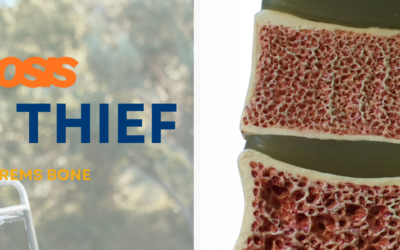
Osteoporosis “Silent Thief”: Early Detection REMS Bone Scans
They call it the “Invisible Thief” because it steals your bone density without a single symptom—until it’s too late. Discover why 1 in 2 women over 50 are at risk and how the new REMS ultrasound technology is changing the game for early detection in Canada. No radiation, higher accuracy. Read the 4-step defense plan now.
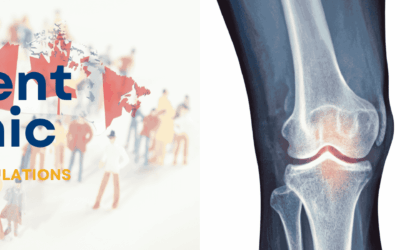
The 2.3 Million: Are You Part of Bone Health Crisis?
Key Takeaways: Canada's 2025 Bone Health Snapshot The Scale: Over 2.3 million Canadians are diagnosed with osteoporosis, with millions more undiagnosed. The Care Gap: While 80% of heart attack patients receive care, less than 20% of fracture patients receive treatment...
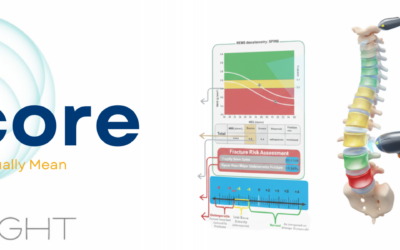
Bone Density Report Guide: T-Score vs Fragility Score
Decoding Your Bone Density Report: What Your T-Score and Fragility Score Actually Mean Medically Reviewed by the Bonescan.ca Clinical Team | Updated December 2025 Have you recently received a bone density report and felt like you were reading a foreign language? You...
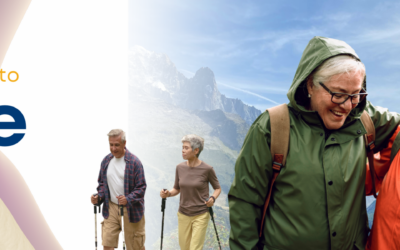
The Hiker’s Guide to Bone Health: Protecting Your Knees. Your Knees and Hips on BC Trails
The Hiker’s Guide to Bone Health: Protecting Your Knees and Hips on BC Trails Living in the Lower Mainland means we have the world’s best gym right in our backyard. Whether you are grinding up the Grouse Grind, walking the Richmond Dyke, or tackling Golden Ears on the...

5 Calcium-Rich Foods Available at Ontario Winter Markets
5 Calcium-Rich Foods You Can Find at Ontario Winter Markets Right Now Living in Ontario, we know that winter brings shorter days, slippery sidewalks, and significantly less sunshine. For our bone health, this creates a "perfect storm": a drop in natural Vitamin D...
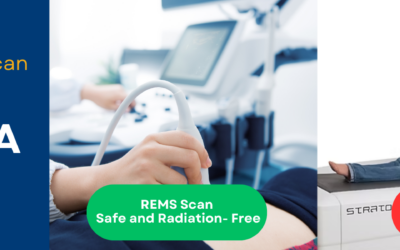
5 Patients DXA Scans Fail: Why Canadians Need REMS Technology
For decades, DXA (Dual-Energy X-ray Absorptiometry) has been the established method for diagnosing osteoporosis. However, this method is often insufficient or even outright impossible for certain patient populations. Therefore, we must look beyond the standard. We...
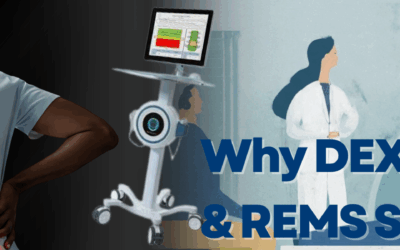
Lumbar Spine Osteoarthritis & BMD Accuracy: Why DXA Fails & REMS Succeeds
Lumbar Spine Osteoarthritis: The Silent Threat to BMD Accuracy Osteoporosis diagnosis relies heavily on accurate measurement of bone mineral density (BMD). However, for millions of adults suffering from osteoarthritis of the lumbar spine, this diagnostic standard is...

DEXA vs REMS: BMD Accuracy with Osteoarthritis in Spine
Caffarelli et al, Diagnostics 2024 Section of Internal Medicine, Department of Medicine, Surgery and Neuroscience, University of Siena Rheumatology Unit, Department of Medicine, Surgery and Neuroscience, University of Siena, This first extensive study, conducted at...

REMS Technology | State-of-the-Art Osteoporosis Diagnosis & Management.
REMS Technology Accuracy: Clinical Comparison with DXA The ESCEO position paper provides crucial evidence regarding the comparative accuracy of REMS Technology versus the traditional DXA method, particularly concerning common anatomical issues. DXA, which relies on...

REMS Technology Motor Disability | Accurate BMD Scan
REMS Technology: Accurate BMD for Severe Motor and Intellectual Disability (SMID) Patients This important study confirms that REMS Technology provides the first reliable method for BMD evaluation, where traditional DXA methods have failed. REMS offers a safe and...

REMS Technology Pregnancy BMD: Safe Bone Health Assessment (Non-Ionizing)
REMS Technology: Safe BMD Assessment During Pregnancy (Non-Ionizing) The non-ionizing nature of REMS technology allows safe, longitudinal monitoring of maternal bone health. Why is Non-Ionizing REMS Technology Essential for Pregnancy BMD? Assessing Bone Mineral...